Inside The Lead Summit: Retail’s Next Evolution
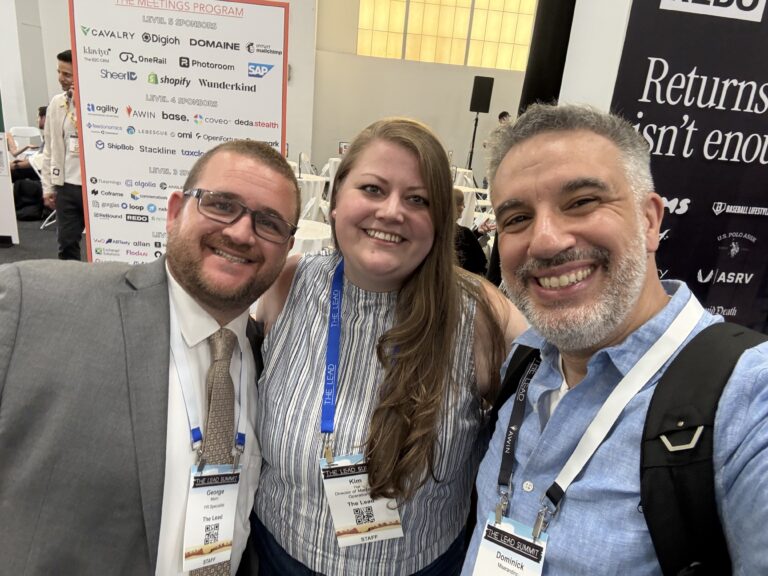
The Lead Summit explored retail’s next evolution through experiential stores, customer lifetime value, hospitality, practical AI, generational behavior, and human connection.

RTM Nexus news and analysis on retail leadership, commerce, technology, media, customer experience, AI, and industry change.
The Lead Summit explored retail’s next evolution through experiential stores, customer lifetime value, hospitality, practical AI, generational behavior, and human connection.
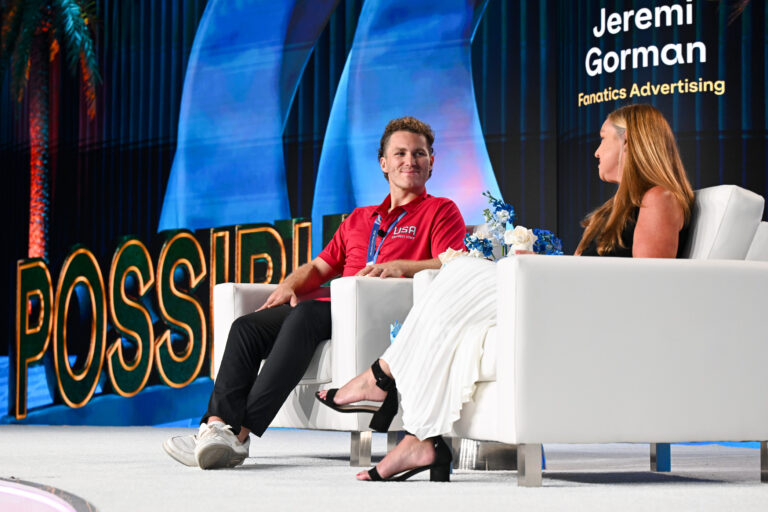
POSSIBLE 2026 showed how creators, AI, culture, community, and storytelling are converging to reshape marketing strategy, commerce, and brand growth.

In the quiet vacuum of a career transition or an unanticipated life hurdle, the silence can be deafening. For those navigating the “in-between”, whether it is a sudden job loss, a stalled passion, or a personal trial, the world often feels like it is moving at breakneck speed while you are stuck in place.

ShopTalk 2026: What the Industry Is Really Saying (Beyond the Stage) | Last week, more than 10,000 retail leaders gathered at Shoptalk Spring 2026 in Las Vegas. On paper, the theme was clear: “Retail in the Age of AI.”

An archived guide to Shoptalk 2026 side events in Las Vegas, including dinners, founder meetups, community gatherings, and after-hours programs.

Retail media has never been more measurable. Campaigns can be launched in hours. Creative can be generated in minutes. Performance can be optimized in real time. U.S. retail media spend is projected to surpass $60 billion annually, making it one of the fastest-growing advertising channels in the market. On paper, this is progress. But optimization has a ceiling.

The chief marketing officer role is undergoing one of the most significant transformations in modern executive history—and many organizations still haven’t adjusted to the reality of it. For decades, marketing was evaluated primarily on creativity, messaging, and reach. Campaigns launched. Awareness rose. Awards were won.

Churn is one of the most misunderstood concepts in business. When customers leave, companies instinctively look for transactional explanations: price, competition, convenience. Those factors matter—but they are rarely the root cause. They are the final excuse, not the original reason.

Growth has become the most celebrated metric in modern business. We track it obsessively, reward it aggressively, and often confuse it with success itself. New markets. New customers. New offerings. New locations. Growth looks great in board decks and earnings calls. But growth, by itself, is not proof of brand strength.

Luxury has changed, even if many luxury brands haven’t. For decades, luxury was defined by accumulation: more features, more options, more visibility, more exclusivity layered on top of itself. Luxury meant abundance and access—something visibly scarce and deliberately elevated above the ordinary.