

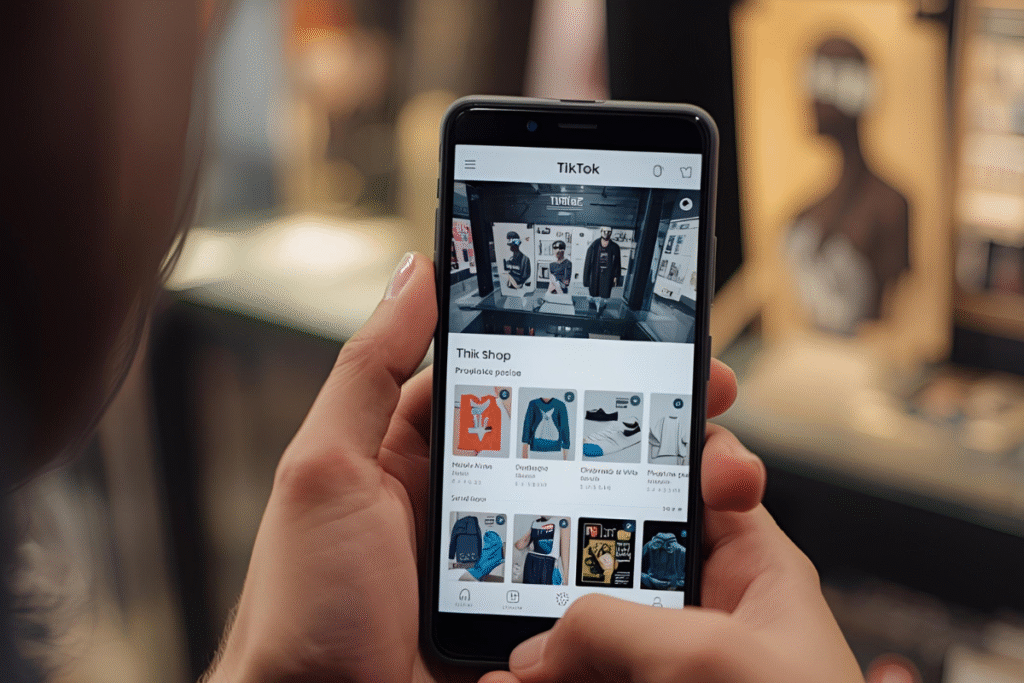
In an age where a logo change at Cracker Barrel can dominate the news cycle, it’s a fascinating—and sometimes frightening—reminder of how quickly a company can find itself under intense scrutiny in the digital world. Yet, if you look deeper at why that story gained such traction, you realize it’s a symptom of something bigger: the complete and total collision of media and commerce.
The Collision Course: Where Social Commerce and Media Integration Meet
Retail is no longer confined to physical stores or even traditional e-commerce sites. Today, shopping lives in the same space where we scroll, swipe, and double-tap. The lines have blurred, and what was once just “inspiration” on Instagram or TikTok has now become a direct path to product discovery and purchase.
From Feed to Checkout in Seconds
The once-clear boundaries between content and commerce have vanished. Platforms such as TikTok, Instagram, and YouTube increasingly connect creator content, product discovery, and shopping experiences. The exact checkout flow varies by platform, merchant, and market, but for brands the strategic shift is the same: media can now move a shopper much closer to purchase without a traditional website-first journey.
This shift is powered by three key forces:
- Seamless Formats: Shoppable media formats make it increasingly difficult to separate entertainment, discovery, and advertising.
- Influencer Trust: Creator and influencer ecosystems can build a level of trust and cultural relevance that traditional advertising often struggles to match.
- AI-Driven Personalization: AI can help match products and content to people based on signals, context, and behavior.
The bottom line is clear: social platforms are becoming commerce environments, and retailers are increasingly becoming media companies.
Five Keys to a Winning Social Commerce Strategy
Simply posting product links isn’t enough to succeed. To leverage this new landscape, businesses must focus on these five principles:
- Invest in Authentic Creator Partnerships Consumers buy from people they trust. Partner with influencers and creators who have genuine connections with their communities. This isn’t just about reach—it’s about credibility.
- Make Content Shoppable by Design Every piece of content—from a viral trend to a simple reel—should have a clear, frictionless path to purchase. The product story should be woven into the entertainment, not just tacked on at the end.
- Prioritize Seamless Checkout Reduce unnecessary steps between discovery and purchase. Use the shortest supported purchase path available for each platform and storefront, and test where handoffs or redirects create abandonment.
- Leverage Data for Deeper Personalization Use analytics to understand what content formats, times, and creators drive the most conversions. Use this data to personalize the entire customer journey, not just the initial ad.
- Blend Brand Storytelling with Commerce Don’t reduce your presence to “Shop Now” buttons. The most effective social commerce happens when your brand’s story is told in a way that feels native to the platform—entertainment first, transaction second.
The future of retail isn’t just online; it’s in the feed. Social commerce is where culture, content, and consumerism collide at high speed. The businesses that understand this shift and strategically lean into it will be better positioned to turn likes and shares into lasting loyalty and revenue. It also reinforces a broader marketing shift toward winning customers before the traditional website visit.